Free Website AuditSee exactly what is holding your site back from ranking and converting. Claim yours →
Free Website AuditClaim yours →
Truck and trailer dealer websites
Owner operators and fleet managers buy trucks and trailers on specs, uptime and total cost, not on showroom shine. Our truck and trailer dealer website design puts those details first: searchable inventory with full specs and real images, fleet and quote requests, financing forms, and parts and service pages that keep customers coming back between purchases.
We review your current site and send a fixed-price proposal. No obligation.
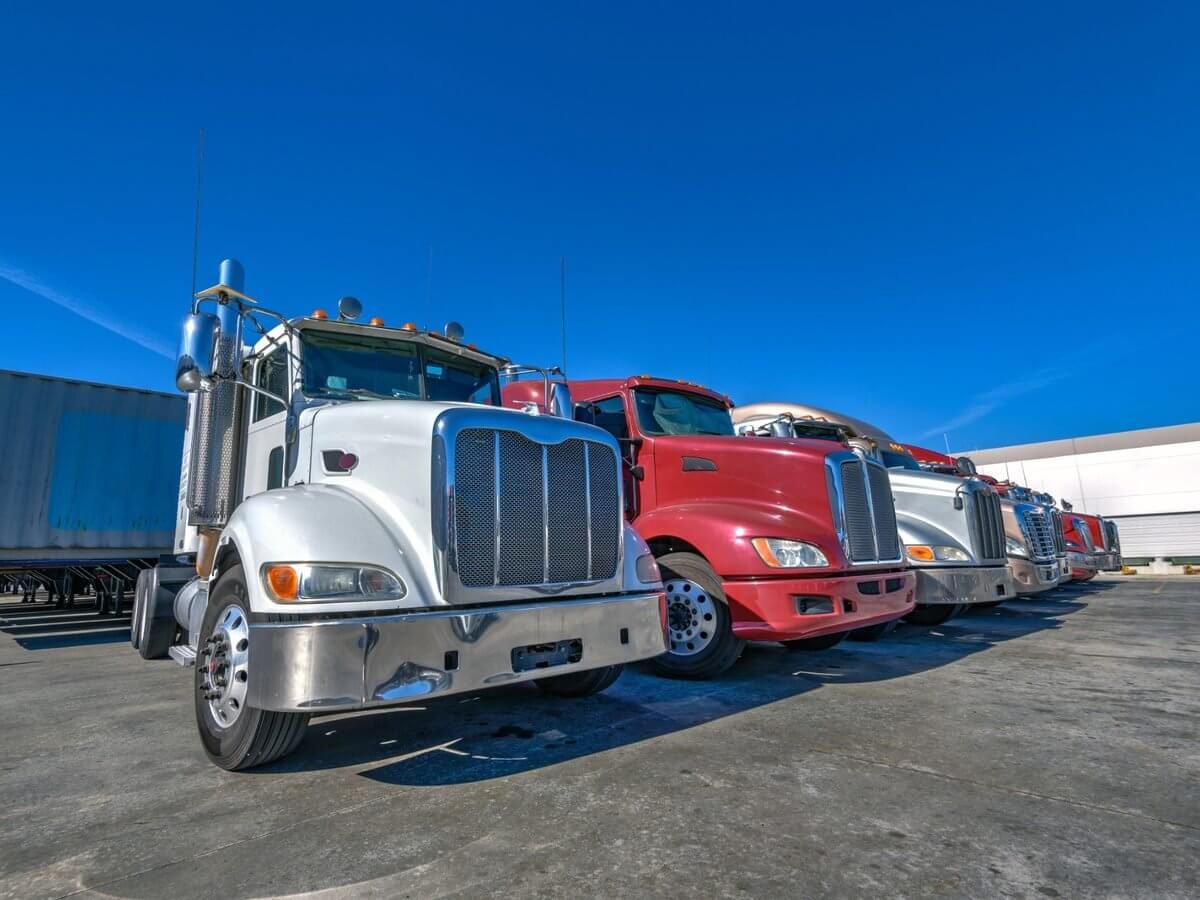
6 day cabs, spec sheet attached
Brake kit, will call




In Short
A great truck and trailer dealer website lets commercial buyers find the right unit by spec and act quickly. It offers inventory search by make, GVWR, axle configuration, engine, sleeper or body type and trailer style, shows real images and full spec sheets, explains pricing including whether FET is included, and offers quote, fleet and financing requests. Parts and service pages with hours for each bay keep trucks rolling. It ranks for searches like “semi trucks for sale near me”.
Reviewed by Chris C., Web Design & Development
Strategists, designers, copywriters and developers plan every inventory page, fleet request and service path around how commercial buyers work.
Your site runs on the world’s most widely used platform, tuned for speed and local search, and easy for your sales and parts team to update without calling a developer.
Your dealership owns the design, content, domain and hosting, and receives every login at launch. After that, help is there when you want it.
How customers choose
Commercial buyers treat a truck or trailer as a working asset, so they shop specs, availability and support.
“Day cab tractor for sale”, “53 ft reefer trailer” or a make and model with specific features.
Full spec sheets, real images, mileage and hours, and condition notes separate serious listings from thin ones.
Price, FET, financing or leasing options and warranty coverage decide whether a unit pencils out.
A quote, fleet pricing request or call to the sales team, often with several units at once.
Checklist
Twelve features a commercial truck dealer website needs to win fleets and owner operators. Score your current site against them.
See what commercial buyers check before calling, then get a price for your build.
Site plan
Each page gives commercial buyers the facts they need, then a fast way to request a quote or book service.
Sleepers, day cabs, vocational and medium duty trucks, searchable by spec with full details on every unit.
Dry vans, reefers, flatbeds, lowboys and dump trailers, filtered by length, axle and floor type.
Volume and spec’d orders, upfitting and delivery, with a fleet request form for multiple units.
Financing and lease options, credit applications and how trade-ins work.
Parts counter hours, brands stocked, ordering requests and delivery or will call options.
Preventive maintenance, DOT inspections, warranty and repair work, with service bay booking.
Our process
Watch your new dealership website take shape, one step at a time. You see real work at every stage, get weekly updates and approve each step before we move on.
We learn your makes, inventory sources and departments, and look at the dealers your buyers also call.
We plan inventory, fleet, parts and service pages, each with a quick quote or booking path.
Straightforward pages built on your real lot and shop, with spec-focused copy buyers trust.
A WordPress build with your inventory feed, spec filters, quote, finance and service forms.
Filters and forms get tested on phones and tablets in the shop, then the site launches.
Your team learns to update specials and departments, and we bring in more commercial buyers.
Free quote
A written proposal fixes the build price first, and monthly search, ads or customer email programs are quoted separately.
Beyond the website
Commercial buyers come back for parts and service far more often than for new units. Four channels keep both sides of the business busy. A care plan keeps your inventory current and every quote request reaching sales.
Select a strategy below to see what we do.
Drivers search for truck parts and service near the highway they are on. A complete Business Profile for every location with service, parts and sales hours, and steady reviews, help you appear when they need you most.
Pro tip: List truck-specific services like DOT inspections and trailer repair in each profile. Drivers search for those exact terms.
Searches like “used day cab for sale” or “53 ft dry van trailer” come from buyers ready to deal. Campaigns that land on filtered inventory pages turn that intent into quote requests.
Pro tip: Exclude searches for toy trucks, rentals and driving jobs. They waste budget on commercial truck campaigns.
Fleet managers and owner operators buy again when trade cycles come around. Regular emails with new arrivals, parts specials and service reminders keep your dealership first in mind.
Pro tip: Let subscribers choose the unit types they want alerts for. A reefer buyer does not want flatbed emails.
Fleet managers ask AI assistants “Which dealers near me service and sell heavy trucks?” Clear location, brand and service pages help those tools name your dealership accurately.
Pro tip: Spell out the makes you sell and service on every location page. Specific coverage is what AI answers repeat.
Units arrive and sell daily, and a stale listing costs a call. Besides routine security updates and backups, we watch the inventory feed, fix broken spec fields and keep quote and finance forms delivering to the right team.
Pro tip: Once a month, search your own site for a unit you just sold and make sure it is gone.
Built for commercial truck dealers
Commercial truck and trailer sales come with tax, spec and data handling details that buyers and regulators care about.
Tax treatment and finance terms vary by deal, so your accountant and lenders have the final word. Treat this section as a starting checklist rather than tax advice.
New heavy trucks and trailers above federal weight thresholds carry a 12% excise tax, so listings say whether FET is included.
Spec sheets, mileage, hours and condition notes come from your records, so buyers get facts they can rely on.
Finance and lease applications use encrypted, secure forms, and sensitive data is not emailed in plain text.
OEM badges and co-op funded ads are set up the way your truck and trailer makers require.
Client reviews
Google reviews from our website design clients (not truck dealers).
“…They captured every aspect we envisioned flawlessly. Extremely creative team and We thank for all their hard work!”
Google review
“Digital Roots Media did an amazing job in designing and launching our new website. Great team. Great experience. We are continuing to do maintenance with them and plan to use them for future projects as well.”
Google review
“Very professional, does a great job and works with you. Communication is wonderful, calls and connects with you regardless of distance and time difference between countries…”
Google review
Truck dealer guides
Practical guides from our team on the topics clients ask us about most.
FAQs
Straight answers to the questions business owners ask most.
Talk to a strategist. No sales script, just straight answers about your site.
Truck and trailer dealer websites from Digital Roots Media are quoted per project, fixed in a written proposal. What drives the total:
In most cases. If your dealer system or listing service exports a feed, our build reads it so semi truck inventory, specs and images update as units arrive and sell.
A commercial truck dealer website needs inventory with spec filters, full spec sheets and real images, quote and fleet requests, financing and lease forms, trade-in appraisal, parts ordering, service booking and clear hours for each department.
A trailer dealer website filters by trailer type, length, axle count, floor and door style, and often highlights rentals, leasing and custom orders more than a truck lot does.
A fleet sales page explains volume pricing, spec’d orders, upfitting and delivery, with a request form that captures unit count, specs and timing so your fleet team can quote quickly.
It helps. New heavy trucks and trailers over the federal weight thresholds carry a 12% retail excise tax, so stating whether a price includes FET avoids confusion at the quote stage.
Yes. Multi-location truck dealership website design gives each store its own page, hours, departments and inventory filter, with one shared search across all lots.
Yes. Every file, page and the domain transfer to your dealership at launch, along with admin access for your team.
Talk to a strategist. No sales script, just straight answers about your site.
Keep exploring